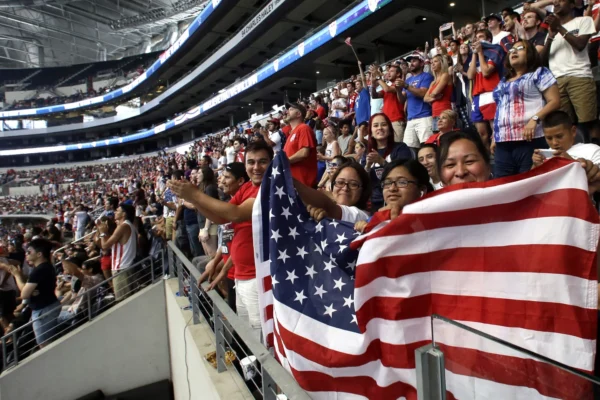
“The Big Beautiful Game”: The 2026 World Cup in Trump’s America 

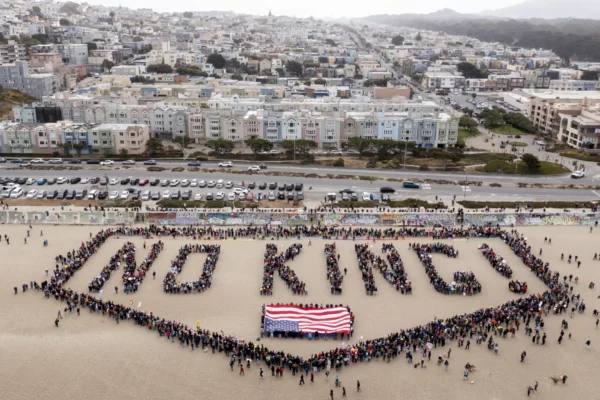
As the United States prepares to host the 2026 World Cup, the tournament has become entangled in the American politics of immigration enforcement and international perception. The fatal shooting of Renée Good by the United States Immigration and Customers Enforcement (ICE) and the administration’s hardening immigration policies have fueled fears among international fans that the games will reflect not global unity, but a new era of visible state force. In a sport defined by openness and internationalism, the tension between spectacle and exclusion now threatens to shape what the world sees when it looks at America.
Read More

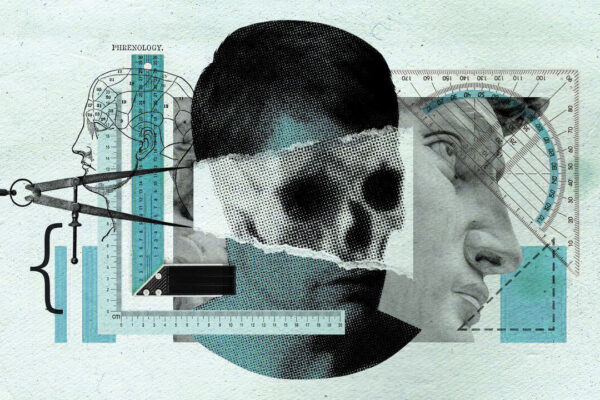
Looksmaxxing, Behind the Manosphere’s Recent Craze

Smashing their faces with hammers, injecting testosterone, and experimenting with unregulated peptides, a growing online subculture of men known as “looksmaxxers” is pushing self-improvement into dangerous territory. Framed as hyper-rational optimization, the movement—rooted in the manosphere—encourages young men to treat their bodies like test subjects in pursuit of mathematically “perfect” features. But psychologists warn that this ceiling-less quest for aesthetic ascension may be less about empowerment and more about deepening insecurity, financial exploitation, and self-harm.

Read More

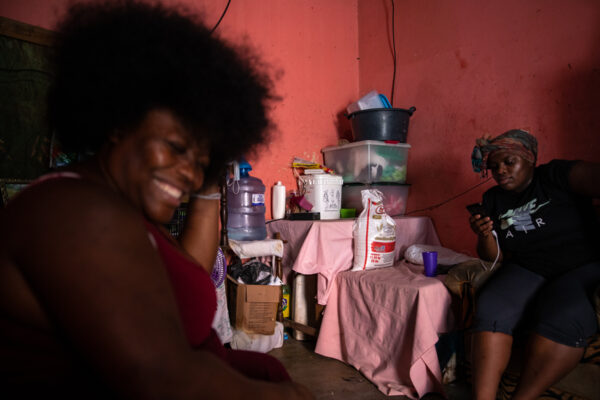
Operations That Start in the Market: Surgical Survival in Sub-Saharan Africa

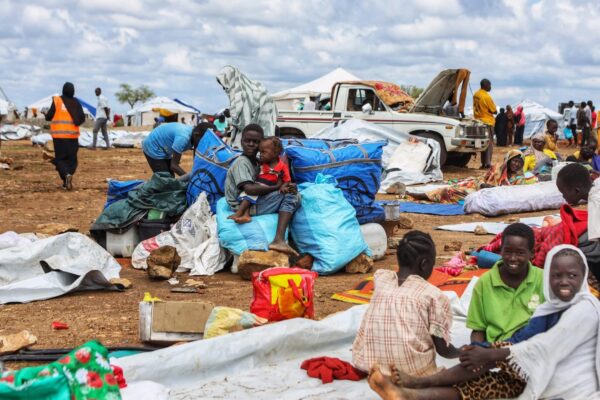
It was 1:15 p.m. when Professor Sisay Ade, identified by a pseudonym, received a call from Mbale Regional Hospital that his sister, Kofi, also a pseudonym, 58, had gone into cardiac arrest. With a history of end-stage renal failure and diabetes, Kofi had checked into the Msaba Wing that morning to undergo routine dialysis treatment. Thirty minutes later, her heart abruptly ceased to function. 

Read More

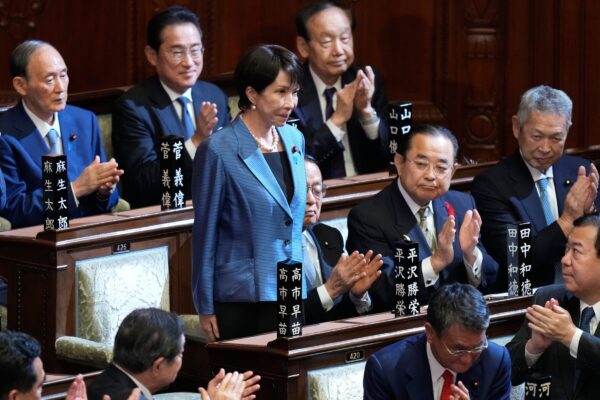
New Leaders: Japan’s Dormant Conservatism and the Rise of Sanae Takaichi

On August 15, 2025, hundreds filled the broad walkways of Yasukuni Shrine for the annual commemoration of the official end of World War II. The line moved slowly—but the conversations did not.
Visiting the site for academic research, Ryne Hisada ’27, a Japanese-American student at Yale University, expected a quiet, somber atmosphere in respect for the deceased.
Instead, he found himself surrounded by raised voices. Visitors weren’t whispering about politics, but arguing about it in full volume.

Read More