
National
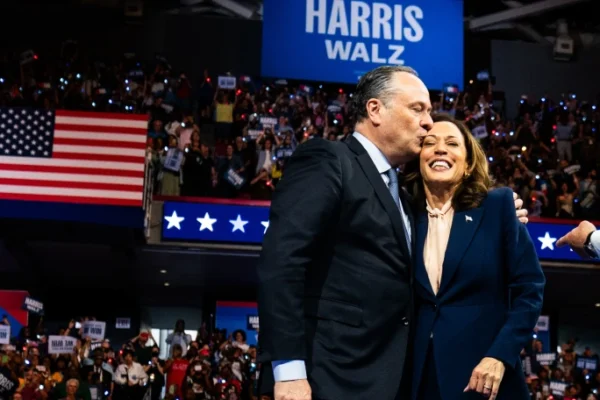
The Unofficial Office: Doug Emhoff, Heidi Cruz, and the Politics of Spousal Visibility
From surrogate speeches to silent self-restraint, political spouses operate in an “unofficial office” defined by visibility without formal power, navigating loyalty, ethics, and relentless public scrutiny. In a rare interview, Doug Emhoff describes the role as a careful balancing act—supporting an administration, managing personal identity, and “adding value” without becoming the story himself.
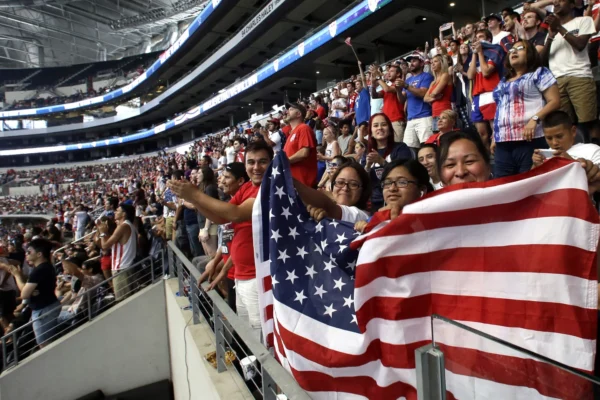
“The Big Beautiful Game”: The 2026 World Cup in Trump’s America
As the United States prepares to host the 2026 World Cup, the tournament has become entangled in the American politics of immigration enforcement and international perception. The fatal shooting of Renée Good by the United States Immigration and Customers Enforcement (ICE) and the administration’s hardening immigration policies have fueled fears among international fans that the games will reflect not global unity, but a new era of visible state force. In a sport defined by openness and internationalism, the tension between spectacle and exclusion now threatens to shape what the world sees when it looks at America.
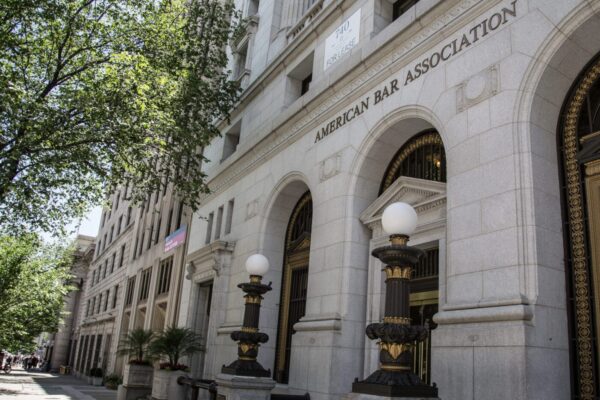
Who Sets the Bar?: The Aftermath of ABA-Accreditation Removal in Texas
In 2026, the Texas Supreme Court disrupted decades of legal tradition by eliminating the requirement that bar applicants graduate from an American Bar Association–accredited law school, reigniting a national debate over who controls entry into the legal profession. Supporters frame the move as a constitutional reassertion of state authority and a challenge to the ABA’s perceived ideological drift, while critics warn it could fracture national standards and undermine the portability of law degrees. As other states consider similar action, the decision raises fundamental questions about quality, access, and political influence in one of America’s most powerful professions.
By the People, For the Few: America’s Political Representation Crisis
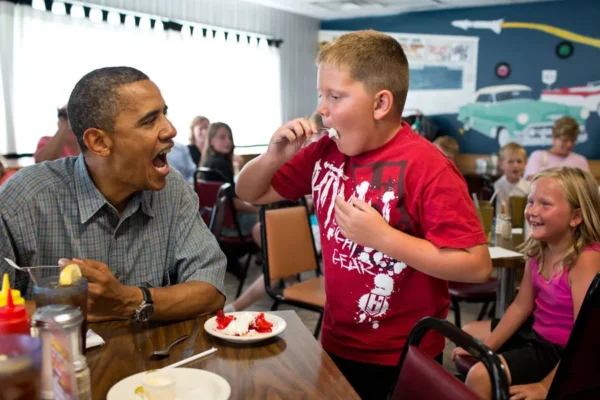
“It’s time for people to grow a spine,” says Ayaan Moledina, a junior in high school from Austin, Texas. “I think America has the potential to be the best country to live in, in the world. We’re not there yet. And I don’t think there are people working hard enough to get there.”
Make America the People’s Again: Reclaiming Democracy Through No Kings
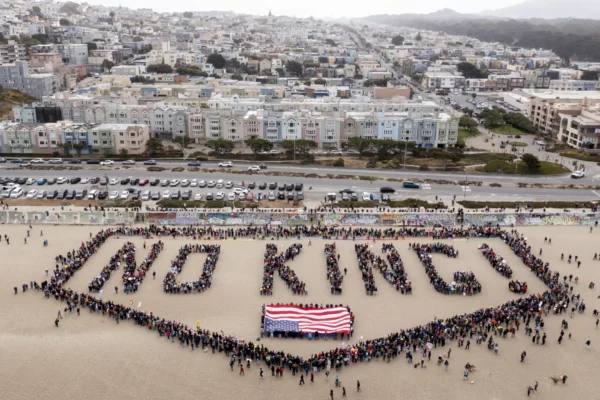
erial shots capture more than the sheer scale of the No Kings protests—they capture their pulse. Children, perched on their parents’ shoulders, wave American flags as drums rattle the streets and hearts alike. The turnout is staggering.
History Repeats Itself: The Gender Voting Gap in America
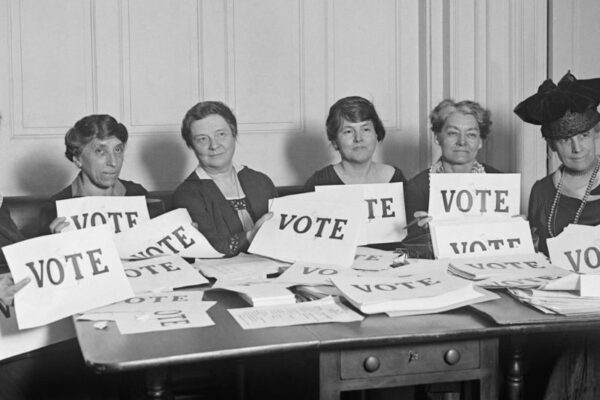
A 39 percentage point difference. This was the eye-widening statistic that The New York Times reported in its August 2024 poll, finding that 18 to 29-year-old women preferred President Joe Biden by 28 points, whereas young men of this age supported President Donald Trump by 11 points.
Defending Big Data
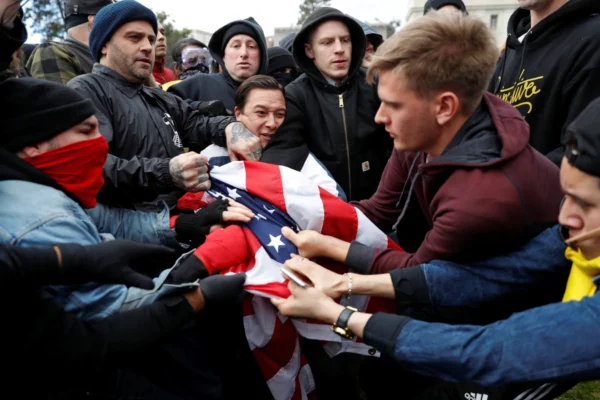
Across America, Thanksgiving dinners have turned into sparring matches, and petty conflict often overshadows substantive policy discussion. Political polarization costs all of us: it poisons social relations, increases legislative gridlock, and drives elected officials to prioritize winning over representing their constituents’ interests.
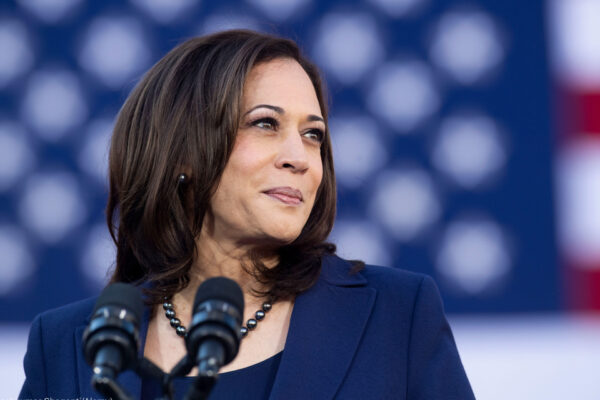
The Headless Party: Inside the Democrats’ Search for Identity in the Age of Trump
The Democratic Party finds itself in a leadership vacuum. The 2024 presidential election was a devastating loss that brought Donald Trump back to the White House, Republicans in control of both chambers of Congress, and the Supreme Court solidly conservative.